

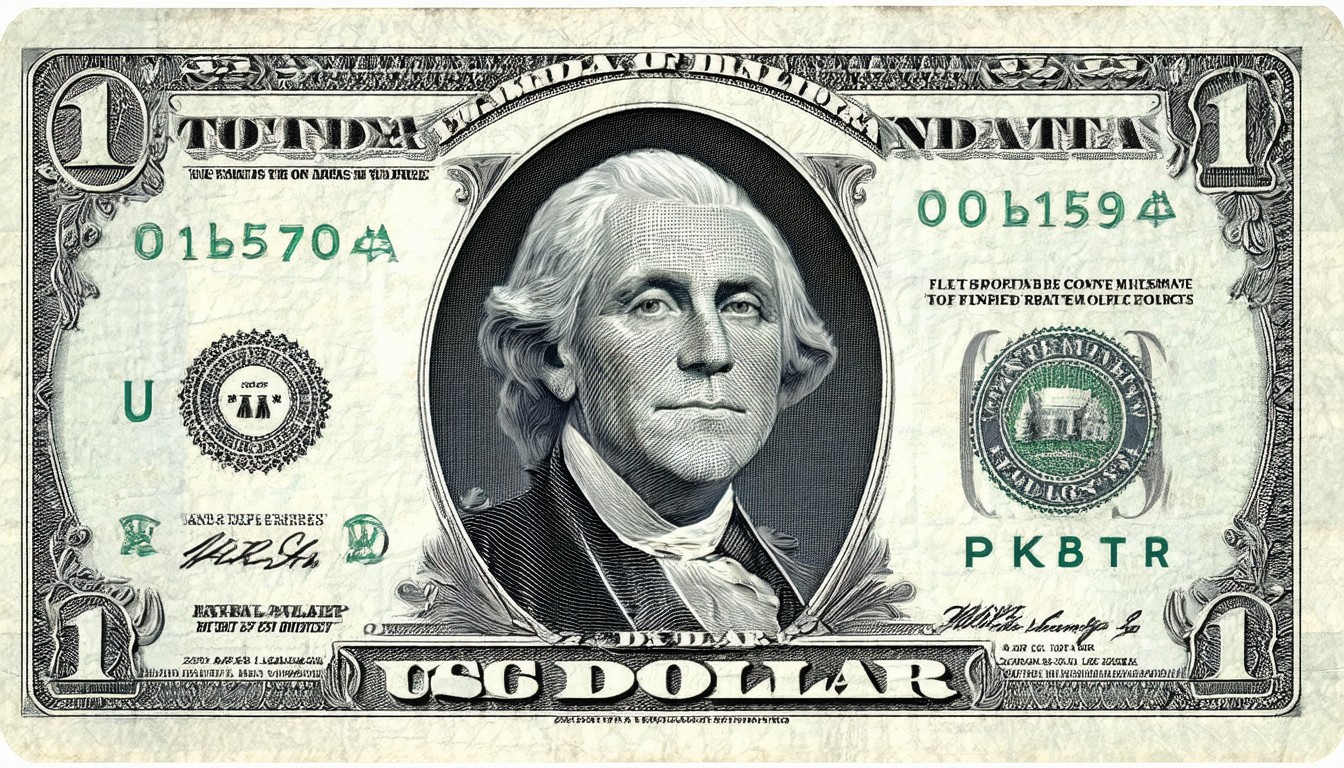
The US dollar to Pakistani rupee (USD to PKR) exchange rate is far more than a figure on a financial ticker. It is a barometer of economic health, a driver of business decisions, and at times, a flashpoint for public conversation in Pakistan. For businesses engaged in import and export, for overseas Pakistanis sending remittances home, and for governments setting policy, the fluctuations in USD/PKR can dramatically alter the economic landscape. To grasp why this currency pair is so influential, it’s essential to look at its underlying factors, recent trends, and the broader impacts on Pakistan’s economy and society.
Key Drivers of USD to PKR Movements
The value of the Pakistani rupee against the US dollar is governed by a mesh of domestic and international factors. Unlike fully stable and globalized currencies, the PKR is highly sensitive to both local and global economic currents.
Economic Fundamentals and Macroeconomic Variables
Inflation rates, interest rates, and Pakistan’s current account balance play significant roles in determining PKR’s trajectory. For instance, episodes of double-digit inflation in Pakistan often exacerbate the rupee’s depreciation, as purchasing power erodes and demand for the relatively safer US dollar rises. Similarly, changes in base interest rates by the State Bank of Pakistan (SBP) can influence foreign investment flows, nudging the exchange rate in one direction or the other.
Political Climate and Policy Decisions
Political instability has historically added volatility to the USD/PKR pair. Uncertainty over governance, shifts in economic policy, and changes in trade regulations can all lead to sudden, sometimes sharp, exchange rate movements. The introduction of market-driven exchange rate regimes in recent years has led to both volatility and a perceived increase in transparency.
“Stability in exchange rates is best achieved through consistent fiscal policies and clear communication from the central bank,” notes an analyst at a leading Karachi-based investment firm. “Sudden policy shifts or geopolitical shocks can quickly change market sentiment, often to the rupee’s detriment.”
External Debt and Foreign Exchange Reserves
One of the persistent challenges for Pakistan is managing its external debt. Servicing debt denominated in dollars creates sustained demand for USD, especially during repayment periods, putting pressure on the rupee. Additionally, the size of the SBP’s foreign exchange reserves acts as a buffer; when reserves fall, investor confidence shrinks, and the PKR often weakens.
Recent Trends in the USD/PKR Exchange Rate
Currency markets tell a story about a nation’s economic journey. In the past decade, the rupee has faced prolonged depreciation, reflecting underlying fiscal and trade imbalances. Beyond the headline rate, several notable trends shape this narrative.
Periods of Sharp Depreciation
Over the last several years, Pakistan has witnessed sporadic, sharp drops in the value of the rupee versus the dollar. These slides often coincide with global events—such as the COVID-19 pandemic, changes in US interest rate policy, or regional tensions impacting investor sentiment. In each case, episodes of capital flight or increased demand for USD for essential imports push the rupee lower.
Cycles of Stabilization and Policy Interventions
After periods of depreciation, phases of relative stabilization often follow, driven by interventions from the State Bank of Pakistan or inflows from international support programs (e.g., IMF packages). However, such stability can be temporary if the underlying economic issues—structural trade deficits, reliance on remittances, insufficient export growth—remain unaddressed.
The Role of Remittances and Informal Channels
Remittance inflows from the Pakistani diaspora provide essential support to the currency. In recent years, efforts to route these flows through formal banking channels (especially with digital platforms) have helped curb runaway depreciation. Nonetheless, the presence of informal ‘hawala’ and ‘hundi’ systems can skew demand and supply in the official exchange rate market.
Market Forces: Open Market vs Interbank Rate
When seeking the USD to PKR exchange rate, two figures often emerge: the open market rate and the interbank rate. Understanding the difference is crucial for anyone transacting in foreign exchange.
The Interbank Rate
This is the rate at which banks and authorized dealers carry out large, official transactions among themselves. Influenced by central bank policy, it typically reflects the government’s desired target. Most significant business and government-level transactions use this rate.
The Open Market Rate
On the other hand, the open market rate is dictated primarily by supply and demand among exchange companies, small businesses, and individuals. This is the rate most readily available to the public and tends to show more volatility during periods of uncertainty.
Impact on the Economy and Daily Life
Currency values are not abstract numbers — their movement touches every sector and individual in Pakistan.
Importers and Exporters
A depreciating rupee makes imports—such as petroleum, machinery, or food grains—more expensive, increasing costs for businesses and consumers. Conversely, a weaker PKR can give Pakistani exporters a competitive edge, as their goods become less expensive in international markets, though this advantage is eroded if input costs (often dollar-denominated) rise simultaneously.
Inflation and Purchasing Power
Fluctuations in the exchange rate directly impact inflation. When the rupee loses value, imported goods and raw materials become pricier, contributing to rising prices throughout the economy. Households may find their budgets stretched as costs for everyday products rise, putting pressure on living standards.
Overseas Pakistanis and Remittances
For Pakistanis working abroad, the value of the rupee often dictates the worth of remittances sent back home. Periods of rupee weakness mean their hard-earned foreign currency translates into more Pakistani rupees, but it can also signify broader economic distress.
Government and External Debt
The government faces a challenging balancing act. Because much of its external debt is dollar-denominated, any depreciation in the rupee instantly increases the rupee cost of servicing that debt. This strains public finances and can lead to further borrowing or austerity measures.
Managing the USD/PKR Exchange Rate: Policy Approaches
Finding equilibrium in currency markets is a perpetual challenge, particularly for developing economies heavily reliant on imports and vulnerable to external shocks.
Central Bank Interventions
The SBP uses a range of tools to influence currency levels. During times of excess volatility, it may intervene directly by selling or buying dollars or using monetary policy levers (like interest rate adjustments) to sway demand. Promoting transparency and predictability in these interventions is crucial for building market confidence.
Structural Economic Reforms
Over the long haul, encouraging export diversification, improving productivity, and attracting foreign direct investment are seen as sustainable paths to currency stability. Efforts to clamp down on informal currency transfer channels and build up foreign exchange reserves also help insulate the economy from shocks.
Charting a Stable Path Forward
While short-term fluctuations are inevitable, committed and coherent economic management offers the best prospects for rupee stability. As industry, policymakers, and individual citizens adjust to the new realities of a globally connected currency market, adaptability and informed decision-making become critical.
Conclusion
The US dollar to PKR exchange rate is more than a number on a screen; it encapsulates Pakistan’s ongoing struggle for economic stability amidst global and domestic uncertainties. With impacts stretching from fuel prices at the pump to government borrowing costs, managing this vital economic lever requires a blend of sound fiscal policies, structural reform, and credible central banking. For individuals and businesses alike, staying attuned to the forces shaping the USD to PKR rate is not just prudent—it is imperative for planning, resilience, and growth.
FAQs
Why does the USD to PKR rate fluctuate so frequently?
Currency exchange rates move due to changes in supply and demand, macroeconomic indicators, political events, and market sentiment. For Pakistan, external debt repayments, global oil prices, and shifts in policy can quickly influence the USD/PKR rate.
How does the USD to PKR rate affect ordinary citizens?
Fluctuations in the exchange rate impact prices of imported goods, fuel, and basic commodities. A weaker rupee means higher costs for many everyday items, affecting the cost of living for most households.
What is the difference between the open market and interbank USD/PKR rate?
The interbank rate is used for large, institutional transactions set among banks and regulated by the central bank. The open market rate, meanwhile, applies to currency exchanges by individuals and businesses and can show more volatility depending on daily market conditions.
How do remittances impact the USD/PKR exchange rate?
Remittances increase the supply of foreign currency, often supporting the rupee by meeting domestic demand for dollars. Higher remittance inflows can help stabilize the exchange rate, especially during periods of economic stress.
Can government policies directly control the USD to PKR rate?
While the State Bank of Pakistan can intervene to influence short-term market movements, sustainable exchange rate stability usually depends on broader economic fundamentals, including strong exports, ample foreign reserves, and an attractive investment climate.










Leave a comment