

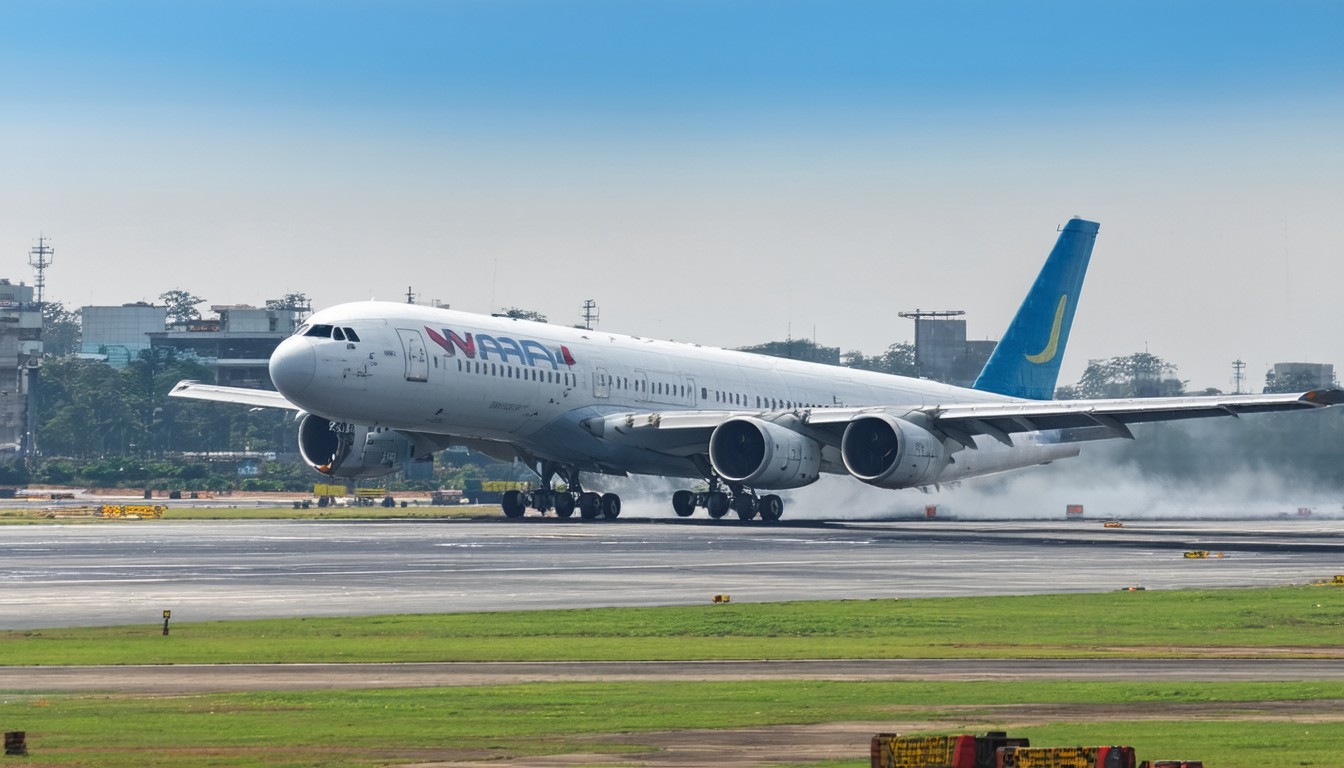
Few infrastructure projects in recent Indian memory have generated as much anticipation as Navi Mumbai International Airport (NMIA). Set to be a transformative force for the Mumbai Metropolitan Region (MMR) and India’s air transport landscape, NMIA epitomizes the country’s ambition to boost capacity, enhance connectivity, and drive economic growth. With Mumbai’s existing Chhatrapati Shivaji Maharaj International Airport consistently operating near saturation, industry stakeholders and policymakers have long viewed a second major hub as essential.
Amid accelerating urbanization, rising passenger numbers, and the government’s push to make India the world’s third-largest aviation market, NMIA’s emergence is more than a feat of engineering—it is a strategic milestone. The following sections take a close look at the airport’s location, planned facilities, and crucial information for travelers and businesses alike.
Location: Connecting Mumbai, Navi Mumbai, and Beyond
Strategically positioned, Navi Mumbai International Airport is located at Ulwe in Raigad district, approximately 35 kilometers from South Mumbai. This locale was chosen after extensive environmental and logistical analysis, aimed at providing optimal access while minimizing ecological disruption.
Access and Connectivity
One of the NMIA’s standout features is its multi-modal connectivity:
- Expressways: Connected directly to both the Mumbai Trans-Harbour Link and Sion-Panvel Expressway, NMIA presents fast access routes from Mumbai city and the wider MMR.
- Rail: The airport’s proximity to the CBD Belapur and Panvel railway stations offers rapid suburban and regional rail transit options.
- Metro Expansion: Planned extensions of Mumbai Metro’s upcoming lines, especially corridors leading to Navi Mumbai and the airport precinct, are expected to provide high-frequency, low-emission connectivity.
For inbound international travelers, NMIA’s location also reduces travel time to key Navi Mumbai and South Mumbai business districts by approximately 30–45 minutes compared to the current single-hub scenario.
Facilities: Setting New Benchmarks for Indian Airports
To match its global ambitions, Navi Mumbai International Airport is being developed with state-of-the-art facilities on par with—or surpassing—international standards. The project, led by Adani Airport Holdings Ltd. in partnership with several government bodies, is set to unfold in multiple phases, with Phase I targeting an annual capacity of at least 20 million passengers.
Terminal Design and Amenities
The airport will feature:
- Modular Terminal Buildings: Architecturally striking, with expansive use of glass and sustainable materials for natural lighting and ventilation.
- Smart Technology: Touchless check-in, advanced biometrics, and AI-driven baggage handling for speed and security.
- Retail and Hospitality: World-class shopping, local and global culinary offerings, and premium lounges designed for both business and leisure travelers.
- Cargo Hubs: Facilities equipped for temperature-controlled and high-value logistics, supporting the pharmaceutical, perishables, and e-commerce sectors.
As one senior airport planner involved in NMIA’s project noted:
“We envision an airport that not only relieves capacity pressure on Mumbai, but also elevates the passenger experience—seamless, sustainable, and digitally empowered from curb to gate.”
Runways and Airside Capabilities
Upon full completion, NMIA is slated to have two parallel runways equipped for simultaneous operations. This parallel configuration significantly boosts slot availability, improves on-time performance, and accommodates the A380 and other wide-body jets, opening up more direct long-haul routes from Mumbai.
Sustainability Focus
A defining commitment of NMIA is its push for sustainability:
- Rainwater Harvesting and Renewable Energy: Use of solar panels, rainwater management systems, and energy-efficient lighting aim to cut the airport’s carbon footprint sharply.
- Ecological Restoration: Large-scale mangrove transplantation and creek re-channeling efforts strive to preserve the local ecosystem as construction proceeds.
Project Timeline and Economic Impact
Construction, having overcome significant hurdles—land acquisition, environmental clearances, and the logistical demands of relocating entire villages—has accelerated in recent years. NMIA’s first phase is targeted for opening between late 2024 and 2025, marking a pivotal shift for the western Indian aviation market.
Catalyzing Regional Growth
The airport is projected to directly and indirectly generate tens of thousands of jobs, both during construction and throughout operations. It will also serve as a magnet for:
- Real Estate Development: The airport influence zone has already fueled a surge in residential and commercial projects in Navi Mumbai, Panvel, and Ulwe.
- Business Parks and Logistics: Improved air, road, and sea intermodal connections are attracting logistics firms and exporters looking to bypass central Mumbai congestion.
- Tourism: Better international and domestic connectivity has poised the wider region—which includes planned entertainment, hospitality, and leisure zones—to benefit from a tourism boom.
Government and Private Sector Partnership
The NVIA project exemplifies India’s evolving public-private partnership (PPP) model. The state government, City and Industrial Development Corporation (CIDCO), and private-sector specialists have pooled expertise and capital, making NMIA a case study in collaborative infrastructure delivery under tight timelines and regulatory scrutiny.
Key Information: Travelers and Stakeholders
Airlines and Routes
Major Indian carriers, including Air India, IndiGo, and Vistara, have signaled intentions to base or expand operations at NMIA. The airport’s initial route network will prioritize underserved domestic cities and high-demand international destinations in the Gulf, Southeast Asia, and Europe.
Security and Customs
Advanced security protocols have been baked into the terminal design, with centralized control rooms and high-definition surveillance. The integrated customs and immigration lobbies are meant to ease bottlenecks for both international arrivals and fast connections.
Passenger Services
For passengers, NMIA will offer:
- Ample transportation options, including dedicated taxi corridors and shuttles.
- Digital wayfinding, real-time flight information, and multilingual assistance.
- Accessibility features for travelers with reduced mobility.
Future Expansion
Beyond Phase I, long-term plans will see the airport expand to four passenger terminals and up to 90 million passengers annually, ultimately positioning it amongst Asia’s largest air hubs.
Conclusion: A New Era for Mumbai’s Air Travel
The upcoming Navi Mumbai International Airport heralds a new chapter for India’s aviation and infrastructure landscape. Its strategic location, world-class facilities, and sustainability commitments demonstrate the transformative power of coordinated planning and investment.
As Mumbai prepares to share the load of its air transit with Navi Mumbai, the region is poised to attract fresh investment, generate jobs, and enhance global connectivity. For travelers, businesses, and the broader community, NMIA stands as a beacon of the region’s future readiness and the country’s aviation ambitions.
FAQs
Where exactly is Navi Mumbai International Airport located?
The airport is situated in Ulwe, Raigad district, Navi Mumbai, approximately 35 kilometers southeast of South Mumbai, offering better accessibility to both Mumbai and the wider metropolitan region.
When is the airport expected to start operations?
The first phase of NMIA is currently targeted to open between late 2024 and 2025, pending final construction and regulatory milestones.
How will NMIA improve travel to and from Mumbai?
The airport is designed to relieve congestion at the existing Mumbai airport, reduce travel times, and boost international and domestic flight connectivity, particularly for Navi Mumbai and surrounding regions.
What sustainability features are included at NMIA?
Key sustainability initiatives include rainwater harvesting, substantial solar power generation, energy-efficient lighting, and robust measures for local ecological preservation, notably mangrove transplantation.
Which airlines are likely to operate from NMIA?
Major Indian carriers like Air India, IndiGo, and Vistara have shown strong interest in operating from NMIA, alongside potential international airlines looking to access the Mumbai market.
What facilities can travelers expect at the new airport?
NMIA will offer modern terminals, advanced technology for check-in and baggage, world-class retail and lounges, and comprehensive transport links, ensuring a seamless, comfortable travel experience for all.









Leave a comment