

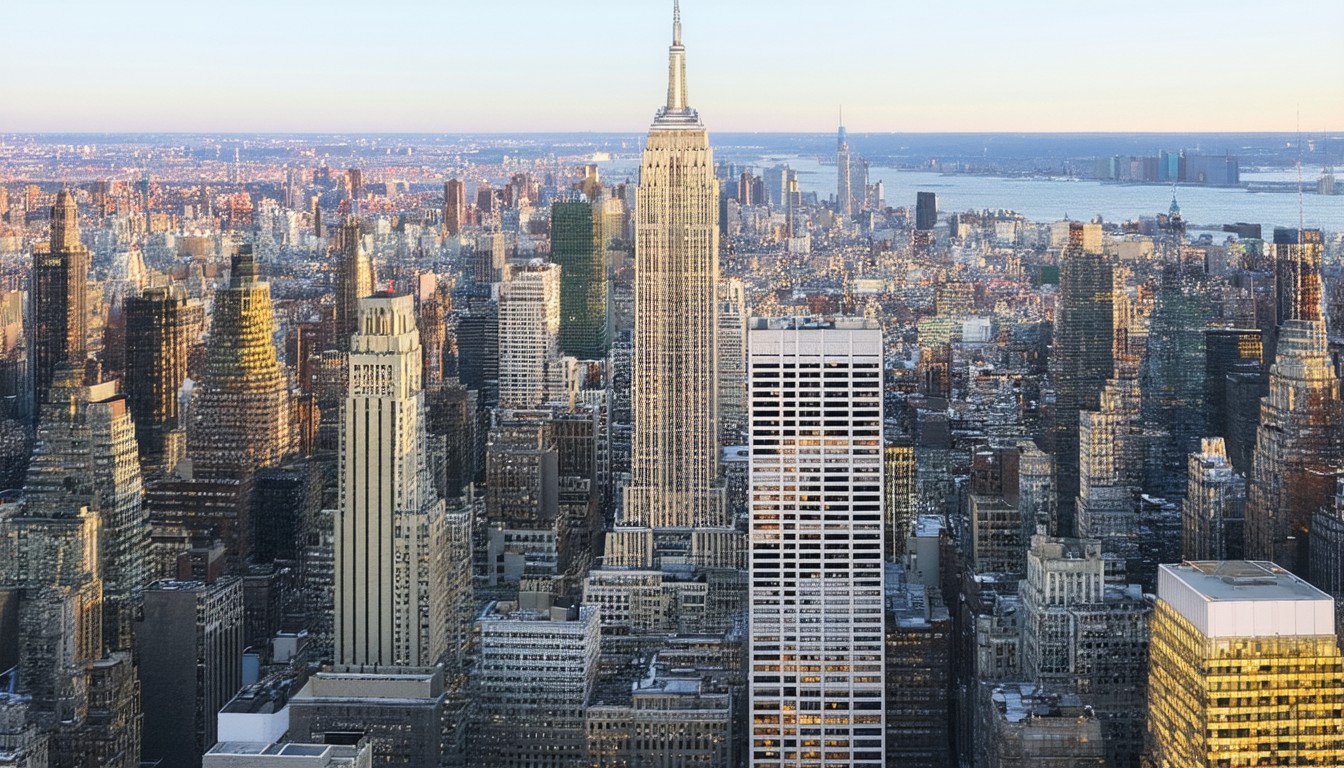
The New York City skyline is inseparable from its icons, and few buildings are as instantly recognizable as the Empire State Building. But behind this legendary address stands a dynamic real estate investment trust (REIT): Empire State Realty Trust (ESRT). Over the past decade, ESRT has evolved from the owner of a single landmark to a leading force in Manhattan’s office and retail property market, navigating dramatic shifts brought on by technology, changing work habits, and global economic pressures.
The Evolution and Portfolio of Empire State Realty Trust
From Iconic Landmark to Diversified Portfolio
Founded in 2013 and headquartered in Manhattan, Empire State Realty Trust’s portfolio extends far beyond its namesake. Today, ESRT manages more than 8 million square feet of office and retail space. The Trust’s properties are concentrated in Midtown Manhattan, a global hub for business, commerce, and tourism, but also include notable buildings throughout the greater New York area.
The Empire State Building itself, apart from being a top tourist attraction, boasts over 2.8 million square feet of office space, regularly upgraded to meet modern standards of efficiency and sustainability. ESRT’s wider portfolio includes prominent addresses such as 111 West 33rd Street and One Grand Central Place, which cater to a diverse mix of tenants—from Fortune 500 firms to creative startups.
“ESRT’s longevity stems from embracing continuous modernization and sustainability, enabling tenants to thrive in the heart of Manhattan,” notes a senior New York commercial leasing executive.
Adapting to Post-Pandemic Realities
Like all major office landlords, ESRT has confronted the seismic disruption caused by COVID-19. Remote work trends, fluctuating office demand, and the redefinition of workplace priorities have compelled REITs to innovate. Notably, ESRT responded by accelerating building upgrades, implementing advanced air filtration, and offering flexible lease structures garnering appeal among hybrid and office-first companies alike.
Beyond virus mitigation, ESRT has invested heavily in sustainability. The Empire State Building’s energy retrofit was once hailed as a blueprint for “greener” skyscrapers, cutting energy use and costs for tenants—an increasingly critical factor in leasing decisions.
Office Space and Tenant Experience
Class A Office Space in New York City
ESRT primarily markets “Class A” office space, a designation indicating premier quality location, structure, and management. Class A spaces feature high-ceilinged, light-filled floors, robust digital infrastructure, and amenities such as shared conference centers, wellness rooms, and on-site food and beverage.
Importantly, ESRT places strong emphasis on turnkey spaces and pre-built suites, offering tenants speed to move-in and flexibility—qualities in demand amid shifting workforce patterns.
Key Features for Modern Tenants
- Energy-efficient renovations and LEED-certified spaces
- Touchless entry systems and upgraded HVAC/air quality
- Flexible lease terms for startups and established firms
- Proximity to major transportation hubs, including Penn Station and Grand Central Terminal
As hybrid work takes hold, central business districts compete more on wellness and experience than mere geography. To stand out, ESRT added new amenities such as tenant lounges, event programming, and fitness centers.
Real-World Example: Tech Firms and Space Flexibility
In recent years, smaller tech firms and boutique financial services have shown interest in ESRT’s Midtown spaces. With pre-built units allowing for rapid upscaling or downsizing, companies avoid long construction timelines and can pivot their footprint in response to changing markets. Several international tech companies have cited the Empire State Building’s ecosystem—ranging from wellness to networking events—as a core factor in their leasing decision.
Retail Leasing in High-Traffic Locations
Ground-Floor Retail in Destination Properties
ESRT’s properties encapsulate more than just office towers—they anchor vital retail corridors. The Empire State Building alone draws millions of annual visitors, underpinning substantial foot traffic for its ground-floor retailers.
Retail tenants include a mix of global brands and flagship stores, benefiting from an address recognized worldwide. As New York’s retail sector adapts post-pandemic, ESRT’s focus on experience-driven retail—coffee shops integrated into lobbies, pop-up installations, and digital-first retailers—helps drive daily activity and keeps the buildings vibrant beyond 9 to 5.
Flexible Retail Leasing Strategies
Understanding volatility in retail demand, ESRT offers a variety of leasing models, catering to both established brands and disruptive newcomers. Pop-up retail space, experiential storefronts, and flexible lease lengths are all part of the strategy to future-proof ground-floor revenue.
Retail analysts note that locations tied to landmark destinations remain resilient due to year-round tourism and commuter presence, cushioning vacancies seen in less trafficked areas.
Investment Opportunities with Empire State Realty Trust
REIT Structure, Public Markets, and Dividends
Empire State Realty Trust is listed on the New York Stock Exchange (NYSE: ESRT), providing investors an accessible route to New York City commercial property ownership. REITs pool capital from many investors, allowing for diversified portfolios and liquidity.
Key features for prospective investors:
- Quarterly Dividends: As a REIT, ESRT must distribute the majority of its taxable income to shareholders, offering regular dividends.
- Resilience and Recovery: Performance is closely tied to Manhattan office leasing rates and tourism-driven traffic for retail. Recent years have tested resilience, but recovery is underway as office occupancy rates climb and tourism rebounds.
- Environmental Leadership: ESRT’s investments in energy efficiency and sustainability may position it to attract environmentally-conscious tenants—and investors—with both regulatory and reputational upside.
“ESRT’s mix of trophy assets and commitment to green retrofitting resonates with investors seeking both yield and ESG alignment in their portfolios,” says a New York-based REIT portfolio manager.
Recent Performance and Outlook
While the pandemic slowed office leasing velocity citywide, Class A buildings with strong sponsorship have captured a disproportionate share of new leases. ESRT’s leasing activity has shown encouraging signs, with several large-scale renewals and new tenant wins in 2023 and early 2024.
Analysts advise that continued investment in tenant amenities and green infrastructure will be crucial in maintaining competitiveness. The Trust’s focus on the Midtown core—still the gold standard for NYC business addresses—offers long-term value, even as the office sector adapts to new norms.
Sustainability and Innovation in the Built Environment
Energy Efficiency: The Empire State Building Retrofit
The Empire State Building itself is a case study in creative upgrades. Its groundbreaking retrofit project slashed energy usage by over 40%, set new standards for skyscraper efficiency, and was among the first to achieve LEED Gold certification in an existing building.
Not only do these efforts lower operating costs and carbon footprint, but they also enhance marketability. Tenants now prioritize health, wellness, and sustainability standards—once niche, now table stakes in Midtown leasing discussions.
Technology and Smart Building Solutions
The Trust deploys a range of building technology—beyond energy management, this includes digital wayfinding, advanced security, and high-speed connectivity. These features assist in attracting a diverse tenant base and keeping ESRT’s portfolio competitive with new construction.
Conclusion: Positioning for the Future
Empire State Realty Trust stands at the intersection of New York’s storied past and its ever-evolving commercial future. Its strategy hinges on three pillars: upgrading core office assets, fostering vibrant mixed-use buildings, and cultivating long-term tenant relationships. Through sustainability, flexible leasing, and a concentrated Midtown footprint, ESRT is poised to weather short-term turbulence and harness the city’s unique resilience.
Investors, tenants, and industry observers alike will be watching closely. The ongoing recovery of Manhattan’s office market, paired with ESRT’s commitment to innovation, suggests that New York’s commercial core—and its icons—remain vital well into the coming decades.
FAQs
What is Empire State Realty Trust?
Empire State Realty Trust (ESRT) is a publicly traded real estate investment trust (REIT) that owns and operates office and retail properties in New York City and nearby areas, including the iconic Empire State Building.
How does ESRT support sustainability in its properties?
ESRT emphasizes sustainable practices through major retrofits, energy-efficient upgrades, and green certifications such as LEED. Their flagship Empire State Building underwent a transformative retrofit, dramatically reducing energy consumption.
What types of tenants lease from ESRT?
The portfolio serves a range of tenants, from global corporations to small tech startups and retailers. ESRT’s flexibility, build-out options, and Midtown locations appeal to businesses seeking prestige and convenience.
Is investing in Empire State Realty Trust suitable for income-seeking investors?
As a REIT, ESRT distributes most of its profit as dividends, making it attractive for investors looking for regular income exposure to New York City commercial real estate.
How has ESRT adapted to post-pandemic changes?
ESRT has upgraded building systems, introduced flexible leasing terms, improved health and wellness amenities, and focused on sustainability to meet the new needs of tenants and retain competitive advantage.











Leave a comment