

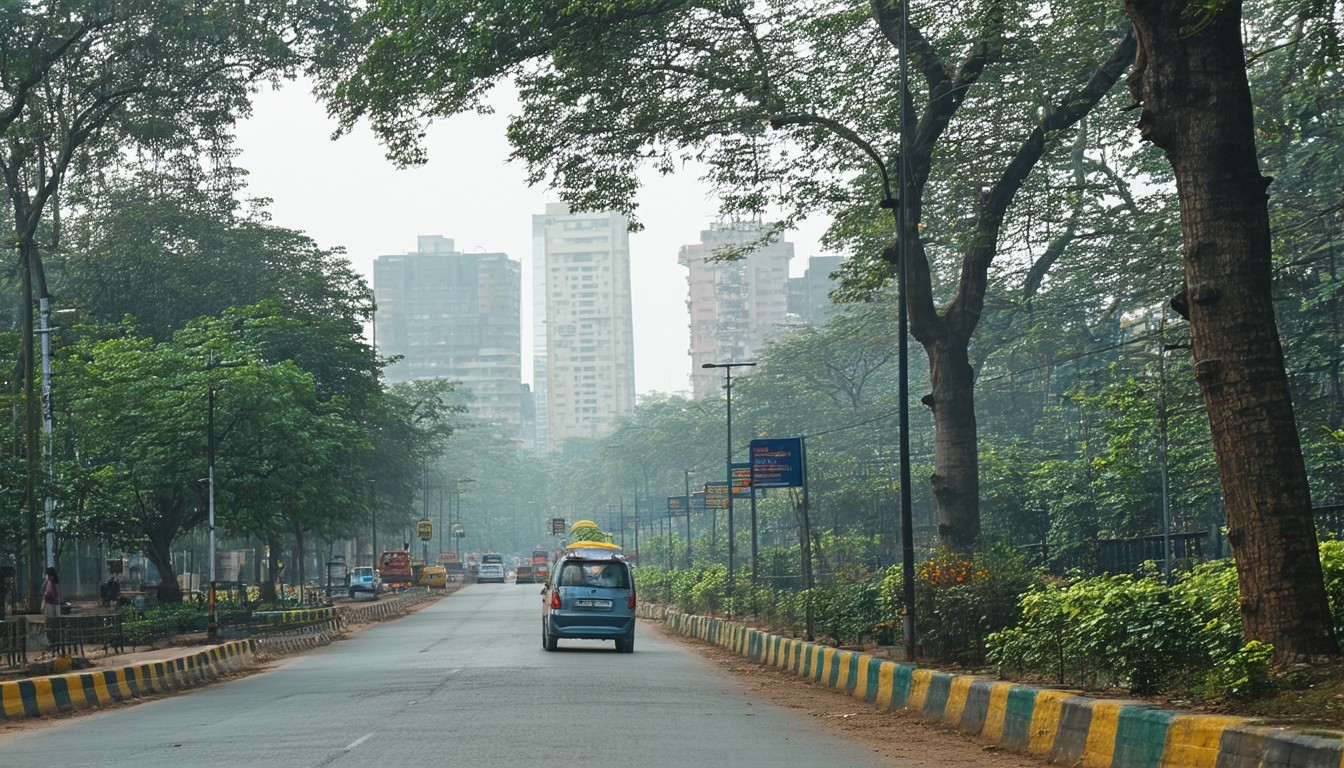
Bangalore, officially known as Bengaluru, has long captivated residents and visitors with its mild, temperate weather—a defining characteristic that sets it apart from many other Indian cities. Perched at an elevation of around 900 meters (almost 3,000 feet) above sea level on the Deccan Plateau, the city enjoys a climate that is statistically less extreme compared to the sweltering summers and biting winters found elsewhere in the subcontinent. This advantageous geography has not only fostered Bangalore’s reputation as the “Garden City of India” but has also played a key role in powering its rise as a tech and entrepreneurial powerhouse.
Understanding Bangalore’s Climate: Overview and Key Features
Bangalore’s weather can best be described as tropical savanna, classified as ‘Aw’ under the Köppen climate system. It is marked by distinct wet and dry seasons but is generally moderated by the city’s altitude and tree cover. Summers are warm rather than hot, monsoon brings lush greenery, and winters are cool but rarely cold.
Seasonal Patterns – What to Expect Throughout the Year
Summer (March to May)
Bangalore’s summers generally start in March and last until late May. Daytime temperatures during this season typically range from 28°C to 36°C (82°F to 97°F). The city rarely sees the mercury climb above 38°C—a respite when compared to Delhi, Hyderabad, or Chennai. Evenings tend to cool down quickly, creating comfortable conditions for outdoor dining and nightlife that the city is renowned for. The moderate humidity, usually between 40%–60%, makes this period more bearable.
Monsoon (June to September)
Arriving with the southwest monsoon, Bangalore’s rainy season spans June through September. Rainfall is sometimes unpredictable but is crucial in replenishing the city’s iconic lakes and boulevards. Average annual precipitation hovers around 970 mm (38 inches), with August and September being the wettest. Sudden showers and occasional heavy downpours can disrupt daily life, but they also bring a refreshing coolness to the air.
Winter (October to February)
Winters in Bangalore are arguably its most celebrated season. Lasting from October to February, temperatures typically range between 15°C and 28°C (59°F to 82°F). December and January often see the chilliest mornings, especially in the city’s outskirts where lows may touch 12°C (54°F), but frost is unheard of. The lower humidity during this period adds to the pleasantness, encouraging outdoor events and a vibrant café culture.
Today’s Bangalore Weather: Temperature and Forecast Trends
On any given day, Bangalore’s weather can offer subtle twists. During transitional seasons—especially around March and October—localities may experience cool mornings, midday warmth, and late afternoon thundershowers. Local microclimates, especially near the city’s green belts such as Lalbagh Botanical Garden or Cubbon Park, often register a few degrees cooler than the traffic-laden city center.
While official weather stations usually report the core city’s temperature and humidity, it’s not uncommon for residents in rapidly developing areas around Whitefield, Sarjapur, or Yelahanka to experience variations due to urban heat islands or localized cloudbursts.
“Bangalore remains an outlier among India’s metros, with residents still enjoying relatively moderate summers and cool winters thanks to the city’s elevation and canopy,” observes climate researcher Dr. Nandini Rao.
Many modern weather apps now offer hyperlocal forecasts, factoring in this diversity. While maximum day temperatures may reach the low 30s °C during late summer, the monsoon frequently sees drops to the mid-20s °C, with pleasant breezes persisting into the evenings.
Recent Climate Trends: Shifts Affecting Bangalore’s Weather
Urbanization and Its Impact
Over the past decade, the city’s rapid urbanization and expansion have gradually altered historic weather patterns. Deforestation, destruction of water bodies, and increased construction have driven the “urban heat island” effect, occasionally causing hotter afternoons and nights, especially in concrete-dense neighborhoods.
Unpredictable Rainfall
Incidents of intense, short-duration rainfall events—sometimes causing flash floods—have increased, according to rainfall trend analyses conducted by the Indian Meteorological Department (IMD). Experts attribute this partly to climate change’s broader impacts and partly to the vanishing of Bangalore’s once-abundant interconnected lake systems.
Air Quality and Humidity
Though Bangalore still ranks better than many Indian metros for air quality, the increase in vehicles and construction dust does impact atmospheric clarity and humidity. Certain winter days see a mild morning haze, especially near dense traffic corridors.
How Bangalore’s Weather Shapes Lifestyle and Business
Garden City Advantages
The generally salubrious climate underpins the city’s robust outdoor lifestyle—from morning walkers in Cubbon Park to evening street food scenes near VV Puram. Bangalore’s weather is also a boon for gardens, tree-lined avenues, and the city’s famous blossoming Tabebuia and Jacaranda trees appearing around February and March.
Tech and Innovation Hub
Reliable weather, especially compared to flood-prone Chennai or heatwave-stricken Delhi, has attracted multinationals, startups, and remote workers who prize the city’s stable working environment. Major technology parks and coworking hubs capitalize on climate-driven cost savings, such as reduced air conditioning needs and higher employee retention.
Events and Tourism
The city’s relatively mild weather is a frequent selling point for tourism marketing. Annual events such as Bengaluru Habba or the flower shows in Lalbagh depend on the predictably pleasant conditions of winter and monsoon lulls.
Coping With Bangalore’s Extreme Weather Days
While extremes are rare, Bangalore does occasionally experience uncharacteristic weather, such as sudden summer heatwaves or cloudbursts resulting in temporary flooding. Residents have become adept at preparing for:
- Short power outages during thunderstorms
- Sudden traffic snarls due to waterlogged streets
- Taking allergy precautions during pollen-heavy months
These incidents, while usually short-lived, highlight the importance of resilient urban planning and community awareness.
Conclusion: Key Takeaways on Bangalore Weather
Bangalore’s weather is one of its enduring strengths—a blend of tropical greenery and moderate temperatures that support its dynamic urban life and economic growth. While recent trends show signs of pressure from rapid growth and climate variability, the city’s core climate advantages remain intact. Sustainable development, proactive planning, and continued appreciation for green and blue spaces are vital for preserving Bangalore’s celebrated weather.
FAQs
What is the best time to visit Bangalore?
The period from October to February is generally considered the most pleasant, thanks to cool, dry conditions and low humidity.
Does Bangalore experience extreme heat or cold?
Rarely. Summers are usually mild by Indian standards, and winters are cool without being uncomfortably cold.
How much rain does Bangalore receive annually?
The city averages approximately 970 mm (38 inches) of rain yearly, with the majority falling during the June–September monsoon.
Are sudden thunderstorms common in Bangalore?
Yes, especially during the pre-monsoon and monsoon seasons, short, intense storms can occur in the afternoons or evenings.
How does Bangalore’s weather compare to other Indian metros?
Compared to cities like Chennai, Delhi, or Mumbai, Bangalore’s weather is moderate, with less humidity and more comfortable temperatures most of the year.
Is air quality in Bangalore impacted by the weather?
While generally better than most large Indian cities, air quality can decline during peak traffic hours and in the winter when haze is more likely.









Leave a comment