

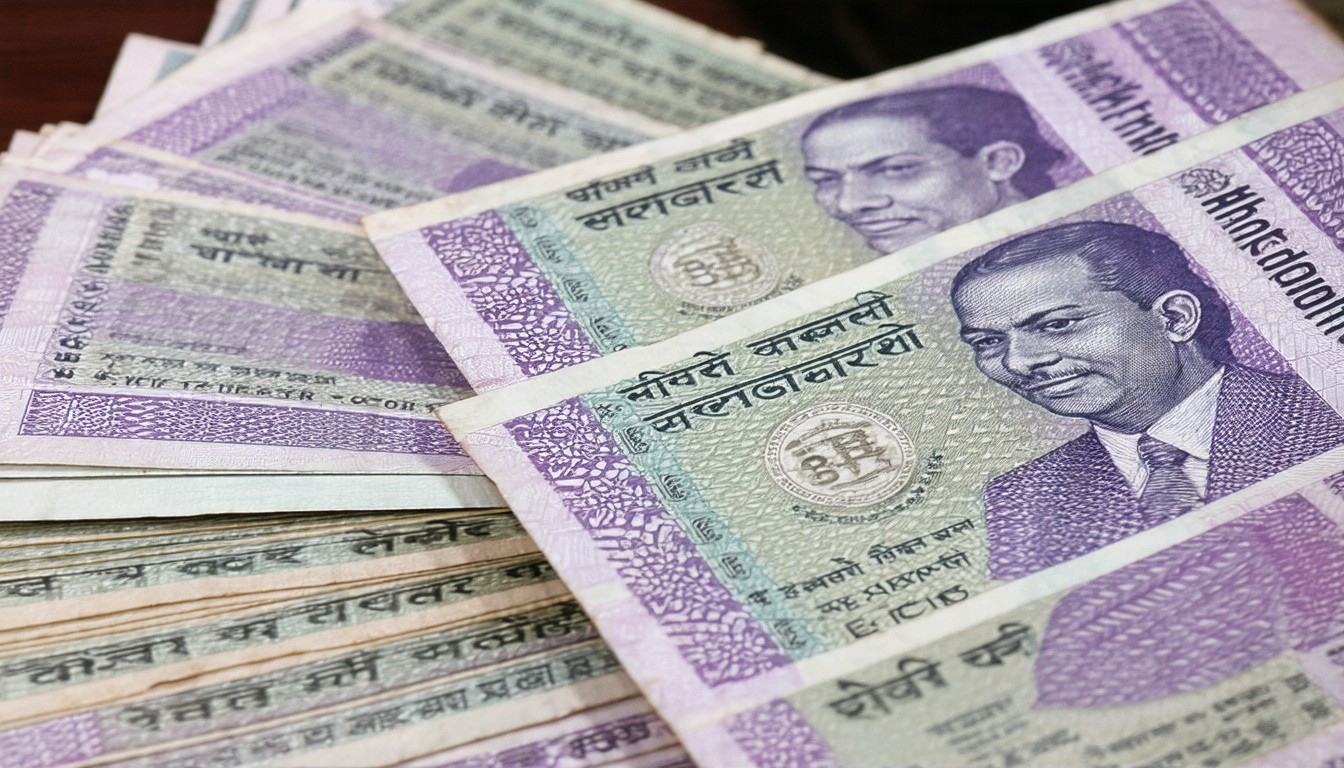
India’s economic landscape is intertwined with the fate of its government workforce, with millions of central and state employees looking toward pay commission recommendations to shape their future. The anticipated 8th Pay Commission has become a major topic of discourse, impacting not only public employees but also the broader economic and social sphere. As inflation, cost of living, and social expectations evolve, the demand for fair and updated wage structures is thrust back into the spotlight. This article delves into the latest 8th Pay Commission news, the context behind its demand, expected benefits, and what experts and stakeholders are saying about its likely effects.
Historical Context: Pay Commissions and Their Role
India has a longstanding tradition of setting up Pay Commissions to review and recommend changes to the salary structure of government employees. Since the first commission in 1946, these periodic reviews have played a pivotal role in shaping both the morale of public servants and the country’s wage policies. Each commission, typically constituted every decade, has sought to address prevailing economic conditions and expectations.
Insights into the 7th Pay Commission Impact
The 7th Pay Commission, implemented in 2016, brought substantial increases in salaries and pensions. It recommended a 2.57 times multiplication factor for basic pay and revised allowances, benefiting a vast cross-section of employees and pensioners. In practice, these changes boosted demand in sectors such as real estate, consumer goods, and services, underlining the cascading effect of public wage revisions on the domestic economy.
However, the 7th commission also sparked debates. State governments have at times struggled with fiscal implementation, and employee unions have voiced concerns that the real value of take-home pay is eroded amid persistent inflation and rising living costs.
Latest Developments and Speculation Around the 8th Pay Commission
As the timeline for the constitution of the 8th Pay Commission approaches, speculation and advocacy efforts have intensified. Key government employees’ unions and federations are actively pressing for a formal announcement, citing rising inflation and the need for wage realignment.
Government Responses and Official Statements
While there is currently no official notification regarding the establishment of the 8th Pay Commission, several ministers have acknowledged the mounting pressure. Statements from Ministry of Finance officials suggest that the government is reviewing wage structures and considering alternatives, such as automatic pay revision mechanisms linked to inflation metrics.
“Periodic and rational wage revision is critical to maintaining the purchasing power of government employees, and deliberations are always ongoing to ensure fairness and fiscal prudence,” commented a senior government economist in a recent panel discussion.
Given the current macroeconomic climate—marked by post-pandemic recovery and inflation—many public policy experts believe that the government is likely to prioritize the matter within the next political and financial cycle.
Expected Benefits and Changes: What Employees Hope For
Drawing from previous commission trends and stakeholder expectations, the 8th Pay Commission is anticipated to address the following key areas:
1. Salary Revision and Multiplication Factor
A central expectation revolves around the revision of the multiplication factor, which determines the quantum of salary adjustments. If past patterns hold, employees hope for a higher multiplication factor than the 7th Commission’s 2.57, aiming to better match current inflation and cost-of-living realities.
2. Dearness Allowance (DA) and Allowance Restructuring
Government employees are also demanding more frequent and meaningful adjustments to Dearness Allowance rates. In practice, DA hikes have often lagged behind inflation, diminishing their real value.
3. Pension and Retirement Benefits
Retired personnel and pensioners are particularly attentive to commission recommendations about pension recalculation and allowances, with expectations of increased basic pension and family pension rates.
4. Inclusivity and New Benefits
There is advocacy for broader inclusivity—extending benefits to contractual workers, fixed-term appointees, and those in new employment patterns previously excluded from full pay revisions.
Economic Implications: Navigating Fiscal Prudence and Social Welfare
Any significant salary revision for government employees directly impacts government budgets, especially at the state level. Balancing fiscal discipline with the legitimate needs of public servants is a recurring challenge.
Macro-Economic Impact
When past pay commissions have delivered substantial hikes, there is often a boost in consumption-led sectors, but government expenditure rises proportionally. Fiscal experts caution that any such move must ensure it does not crowd out critical development spending.
State vs. Central Implementation Gaps
Many states, especially those with tight revenue bases, face constraints in mirroring central government revisions in a timely or complete manner. This can result in disparities among employees and periodic unrest.
Political and Social Signals
What happens with the 8th Pay Commission carries significance not just economically but also politically. With government employees making up a sizable and influential bloc, their satisfaction or discontent can be a factor in state and national politics.
Expert Perspectives and Future Trends
Labour economists, financial analysts, and union officials continue to parse the evolving situation. There is a growing chorus for innovative reforms—suggestions include linking pay scales with real-time inflation indexes or rolling out digital frameworks for transparent wage adjustments.
“Instituting mechanisms for more dynamic, index-linked wage revisions could reduce the cyclical pressure for new commissions and promote stable real incomes,” notes a labor policy think tank director.
Emerging global trends also suggest public sector compensation frameworks are moving toward more data-driven, transparent models.
Conclusion: What Lies Ahead for the 8th Pay Commission
The anticipation around the 8th Pay Commission underscores broader societal anxieties about income adequacy in an increasingly expensive world. For millions of employees and pensioners, meaningful adjustment of pay and allowance structures underpins not just immediate well-being, but long-term planning and social mobility. As the government weighs fiscal capacity against employee needs, stakeholders will watch for prompt, fair, and transparent processes. Given the cascading impact of such decisions, a carefully calibrated approach will be crucial to safeguarding both economic stability and employee satisfaction.
FAQs
What is the 8th Pay Commission?
The 8th Pay Commission is a proposed government panel tasked with reviewing and recommending revisions to salaries and pensions for central government employees and pensioners in India, typically every ten years.
When is the 8th Pay Commission expected to be implemented?
There is currently no official timeline, but expert opinion and union pressure suggest that discussions may result in an announcement within the next budget cycle or political term.
What changes are government employees anticipating from the 8th Pay Commission?
Employees expect a higher multiplication factor for basic pay, revised allowances, better pension benefits, and more frequent Dearness Allowance adjustments to reflect real inflation.
How will the 8th Pay Commission impact the Indian economy?
While increased salaries may boost consumer demand, they also raise government expenditure. Striking a balance is essential to avoid fiscal strain while supporting economic growth.
Are pensioners included in the 8th Pay Commission’s scope?
Yes, pensioners stand to benefit from commission recommendations, particularly regarding recalculation of pension and enhancements to retiree benefits.
Why is there a delay or uncertainty regarding the 8th Pay Commission?
Fiscal constraints, differing state capacities, and evolving policy approaches—including possible adoption of inflation-indexed adjustments—contribute to ongoing deliberations and cautious government statements.











Leave a comment